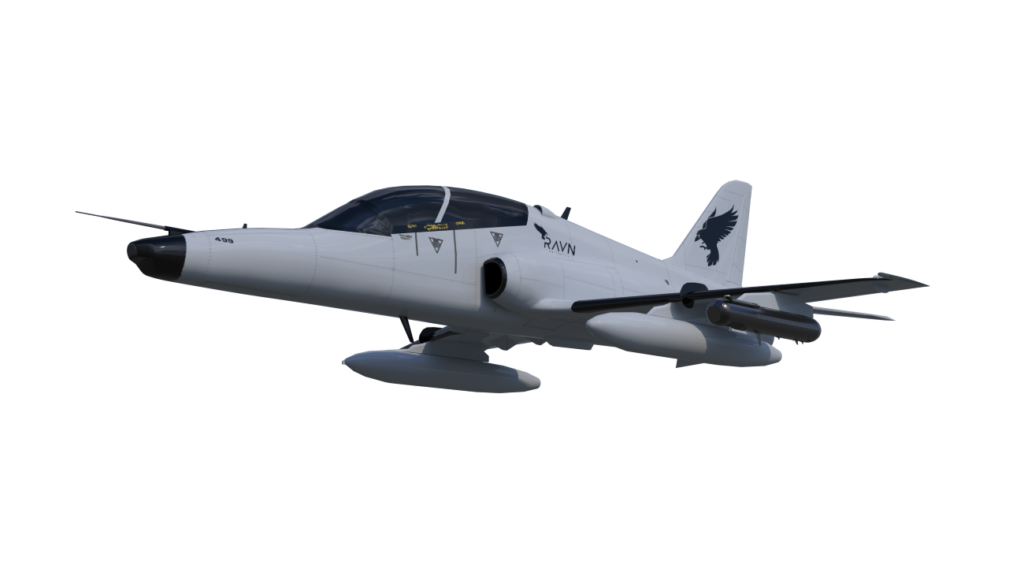

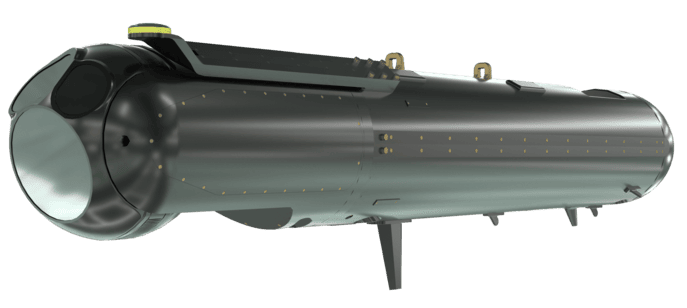
Phoenix 10 is a full-size configuration of the Phoenix Mission System, delivering integrated ISR, targeting, Counter-UAS, JTAC training and tactical communications in a single, self-contained pod.
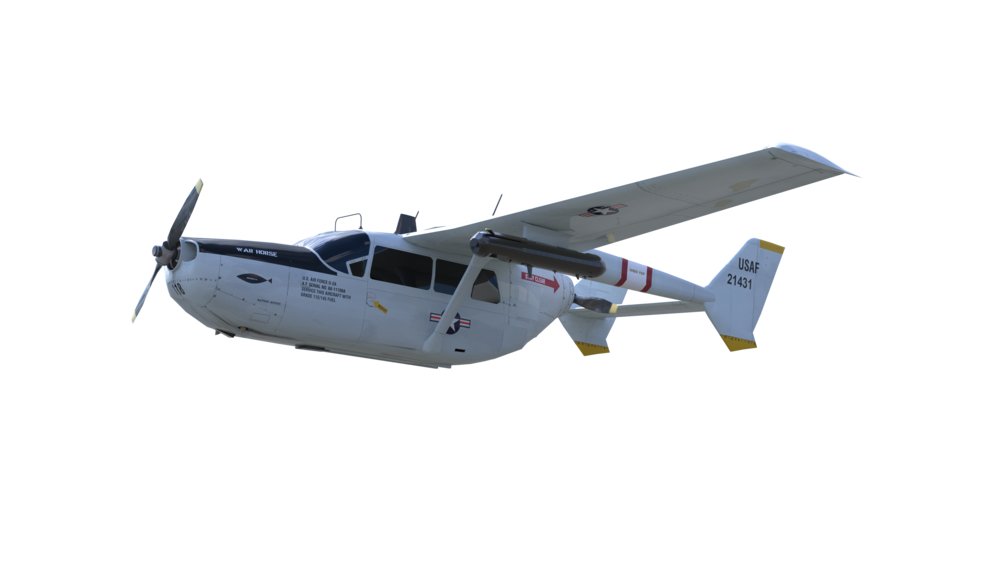
Designed for deployment on a wide range of aircraft already in service, Phoenix 10 enables rapid introduction of mission capability without platform modification. It is optimised for extended range, higher endurance missions and applications where increased payload and performance are required.

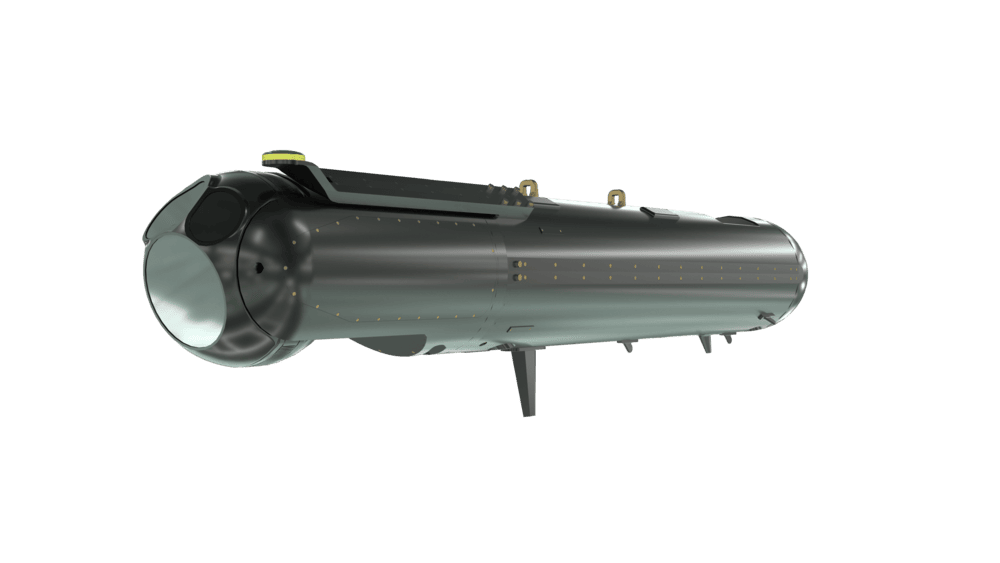

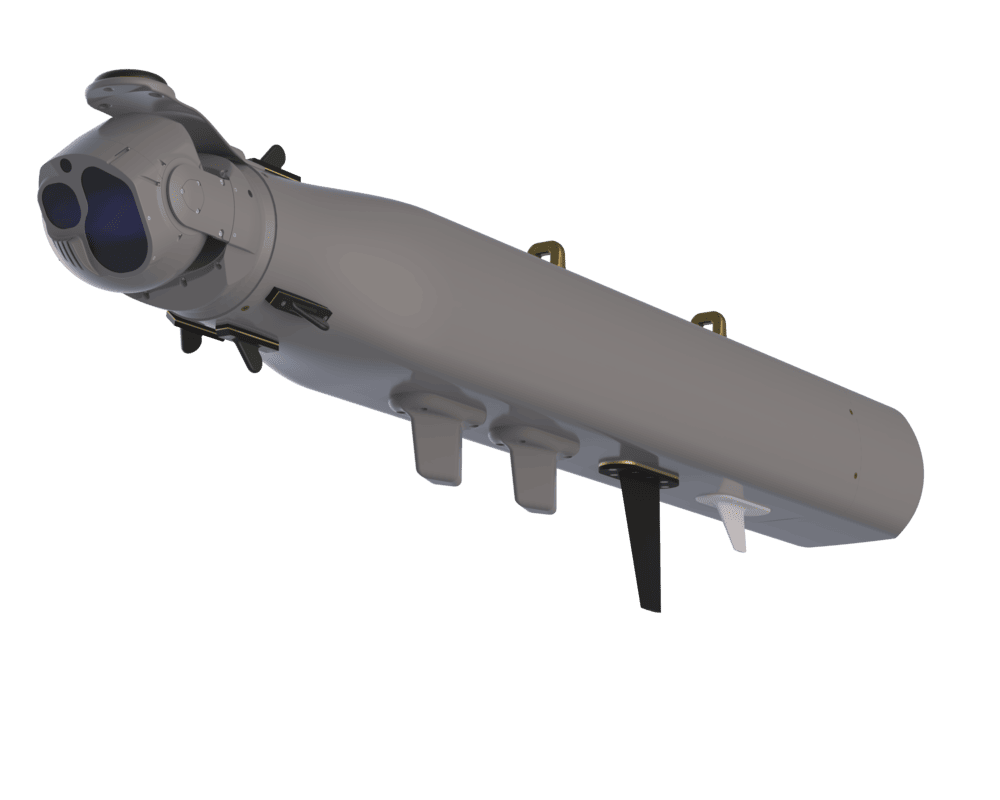
Phoenix 10 provides a complete airborne mission capability, integrating sensing, mission processing, communications and operator control into a single deployable system.
Originally developed to support advanced training and ISR applications, the system has evolved to meet broader operational requirements, enabling aircraft to be configured quickly for multi-role missions without the cost and complexity of permanent integration.
Both pods share the same mission system, operator interface and communications architecture. Operators can deploy the same mission system across different aircraft types while maintaining common training and operating procedures.
Both pod sizes include:
PHOENIX 10 and PHOENIX 5 share a common mission system architecture, with different physical profiles designed to suit aircraft class, mission profile and deployment requirements.
| Specs | Phoenix 10 | Phoenix 5 |
|---|---|---|
| Length | 2238 mm / 88.1″ | 1534 mm / 60.4″ |
| Diameter | 322.6 mm / 12.7″ | 197 mm / 7.8″ |
| Weight | 104 kg / 234 lb | Max 23 kg / 50 lb |
| Structure | Anodised aluminium alloy | Carbon fibre composite |
| EO/IR Sensor | Alticam 14 | Alticam 06EOIR3 |
| Stabilisation | 4-axis | 4-axis |
| Video Feeds | 3 simultaneous H.264 | 2 simultaneous H.264 / H.265 |
| Laser Pointer | Class 3B – 150 mW | Class 3B – 150 mW |
| Laser Designator | Class 4 – 50 mJ / pulse | Class 4 – 30 mJ / pulse |
Demonstrated across the United States, Europe, Middle East and Australia.
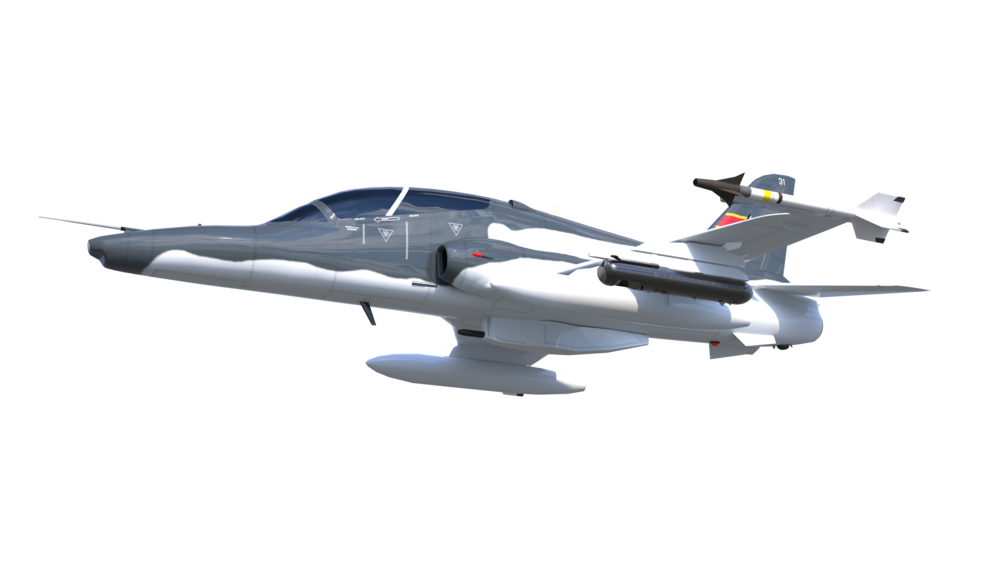
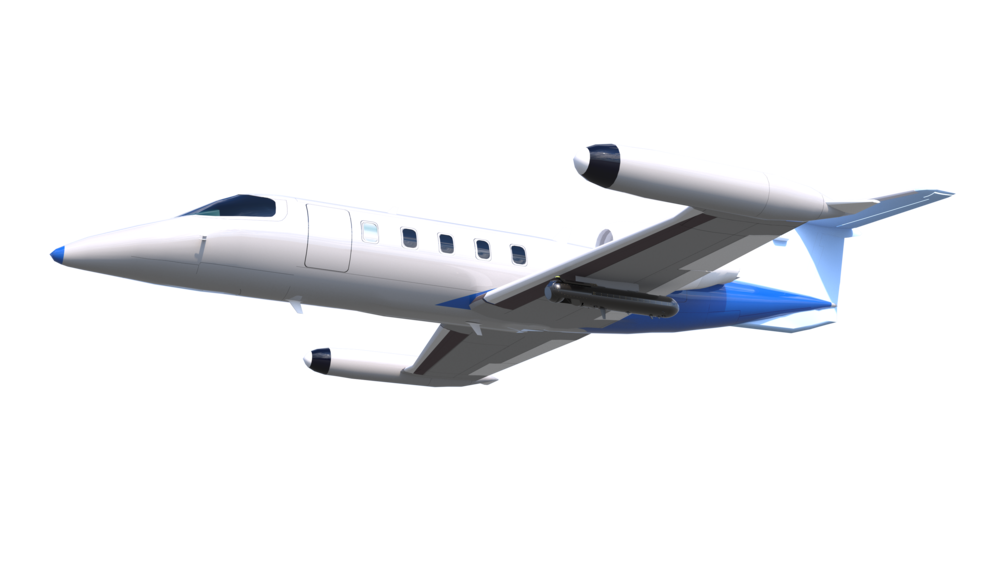
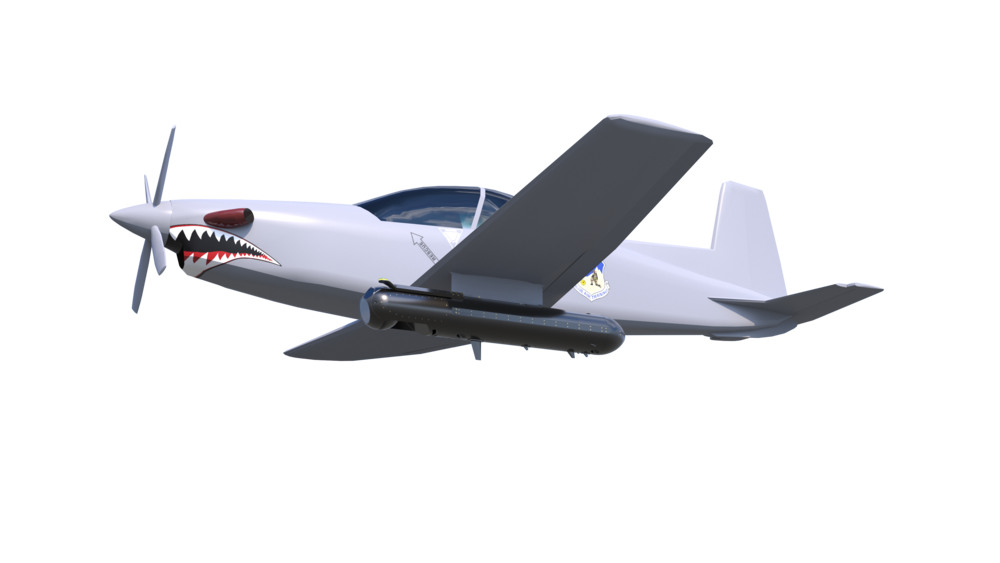
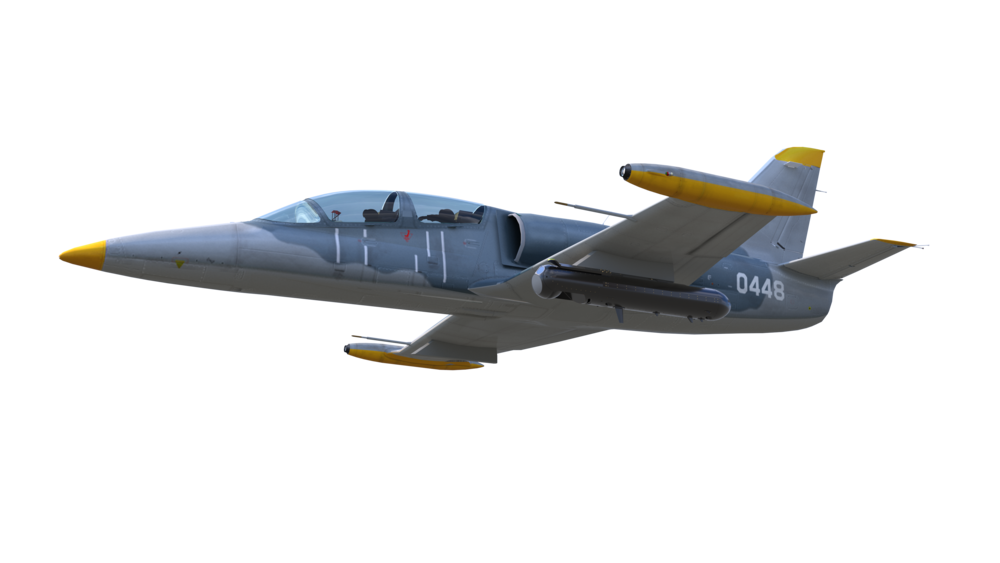
PHOENIX 10 and PHOENIX 5 share a common mission system architecture, with different physical profiles designed to suit aircraft class, mission profile and deployment requirements.
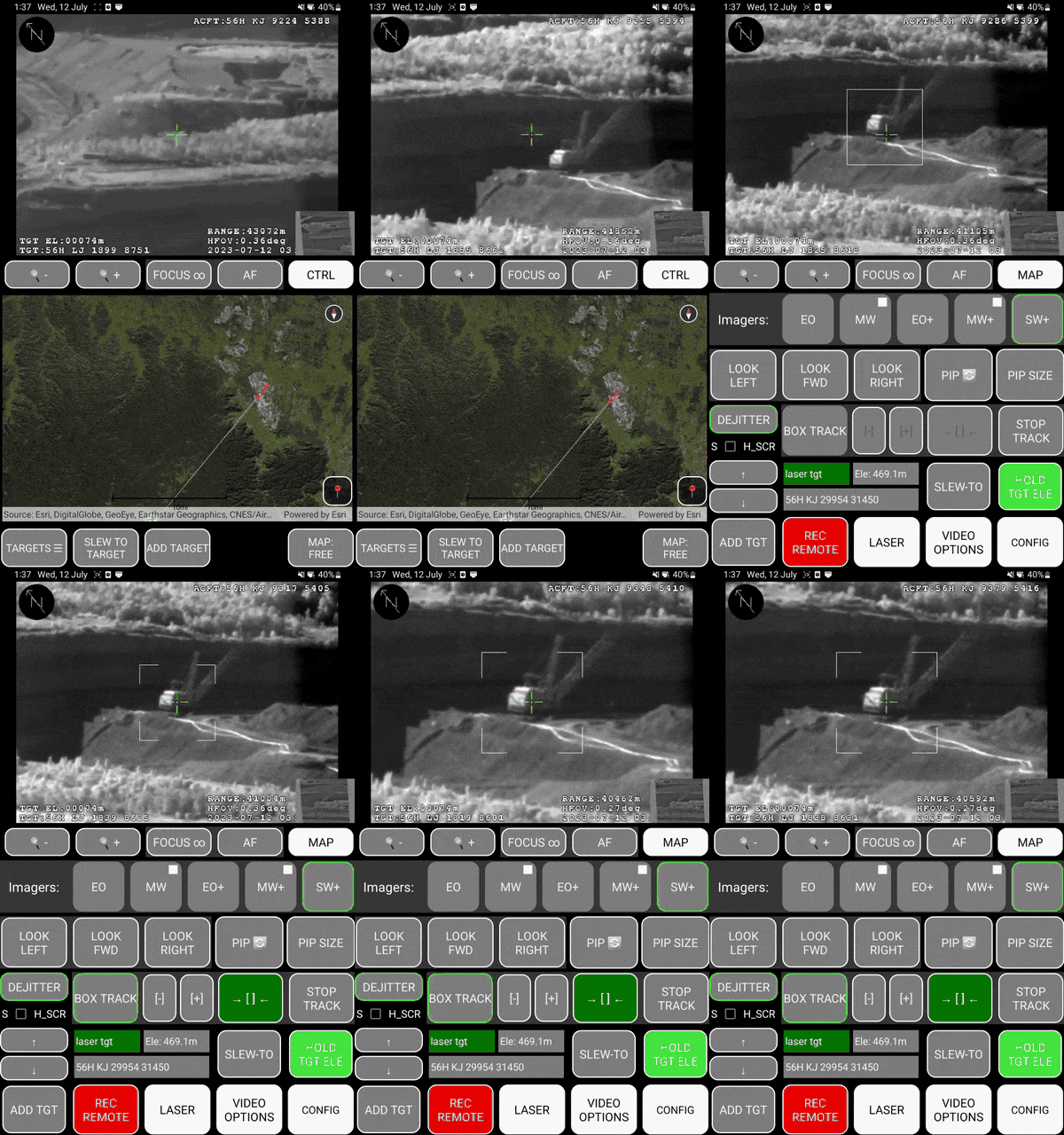
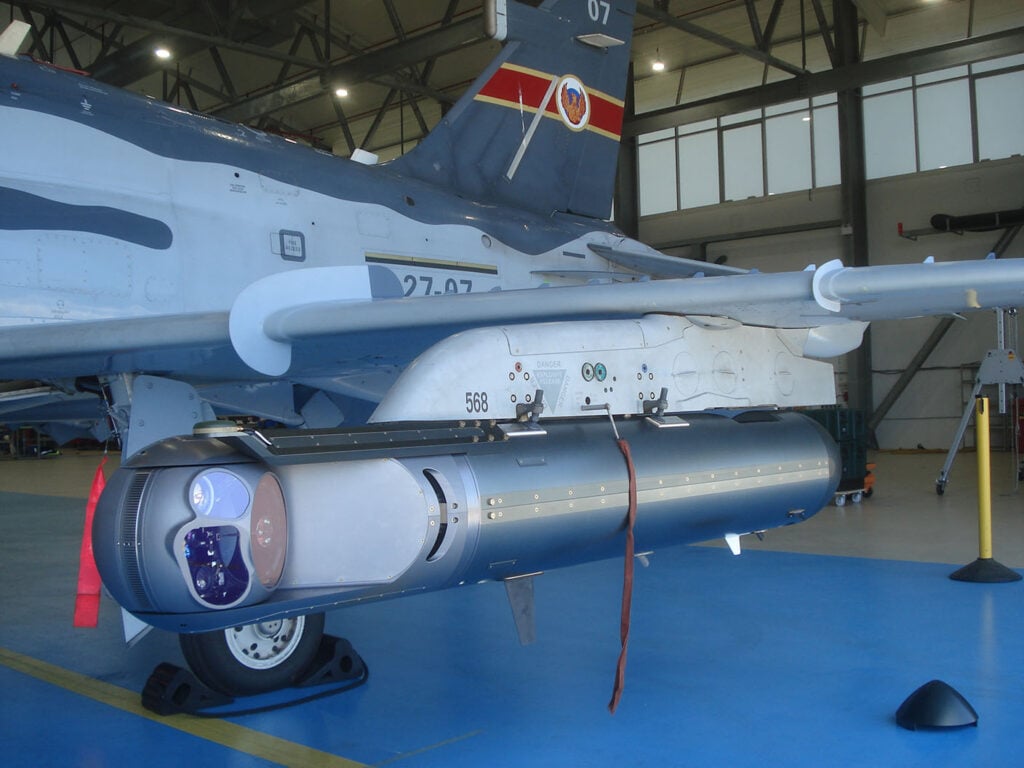
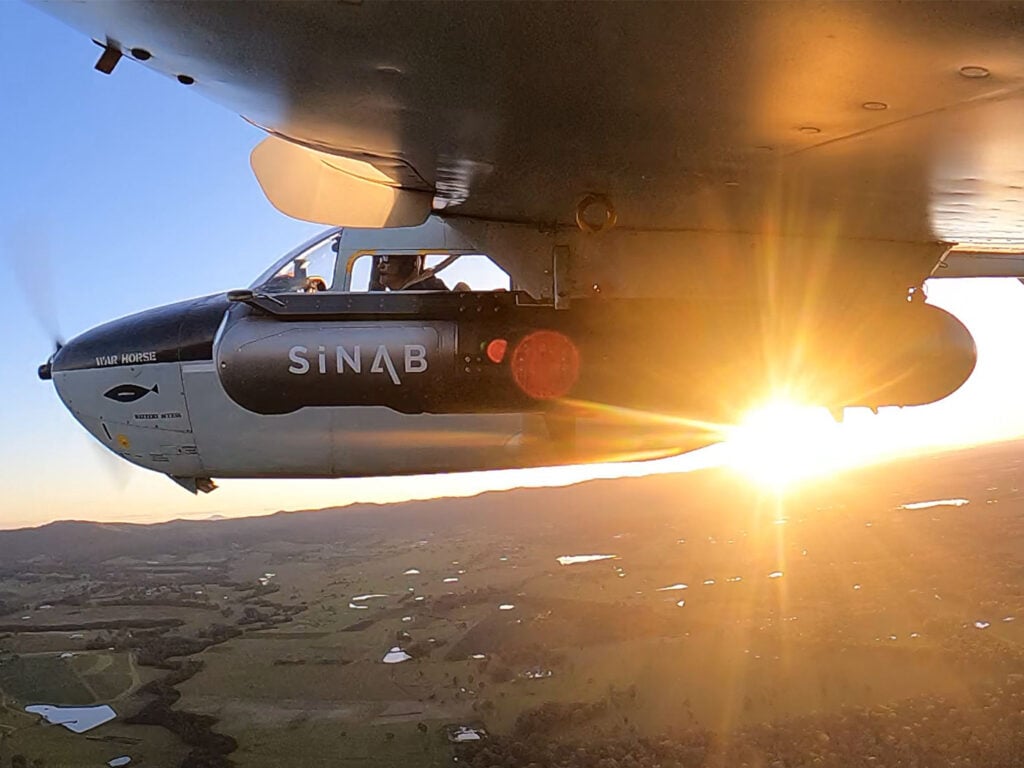
Non-permanent role equipment, requiring no integration with aircraft systems resulting in substantial time and cost savings. It’s easily fitted and removed from stores pylons with standard NATO 14” suspension lugs. Aircraft can be restored to normal configuration and roles by simply removing the Phoenix Pod after missions.
The Phoenix Pod includes power supply, global positioning systems (GPS) feed and avionics and datalink devices for seamless integration and enhanced functionality and performance
The Pod weighs 104kg/231lbs and can be easily carried by light aircraft and helicopters, offering versatility in deployment. This reduces the need for reliance on operational assets.
The Phoenix Pod is fitted to (and removed from) the host aircraft in minutes, using basic aircraft tools and support equipment.
Incorporates and integrates equipment normally included in aircraft with operational sensor suites, including communications, data, monitoring and common data link (CDL) capabilities.
Speaks to a range of secure and non-secure devices, including Rover, ATAK/APAS, Combat Net Radio, MANET, VMF and Link16, for live air-to-ground communication and smooth data sharing and coordination.
The Phoenix Pod is controlled from the cockpit/cabin with an 8” tablet. It can also be controlled from the Phoenix Ground Station for simulated training and ground support for increased versatility and adaptability.
Get in touch to learn more about the Phoenix Mission System by SiNAB.